Hey there! So, the 138th China Import and Export Fair coming up in 2025 is actually a pretty big deal for anyone involved in the Herbal Extract industry. I came across this recent market report from Grand View Research, and it says that the global herbal extract market is expected to hit around 4.5 billion USD by then. It's growing at a solid pace too—about 7.6% annually. Most folks are really into natural ingredients lately, and there’s a rising buzz around health and wellness products, which is definitely fueling this growth. As for us at Xi'an Kintai Biotech Inc., we’re really proud to be part of this exciting space. We have a strict quality control system, making sure everything from our raw materials—sourced directly from the planting base—is top-notch. Our goal is to keep our Herbal Extracts safe, high-quality, and aligned with what our clients and customers worldwide are looking for these days. It’s an awesome time to be in this field, no doubt about it!
Exploring Market Trends for Herbal Extracts at the 138th China Import and Export Fair
You know, the global market for herbal extracts is really picking up speed lately. More and more, people are leaning toward natural ingredients when it comes to their health—it's like a big shift away from synthetic stuff. Industry folks say this trend isn't slowing down either; by 2032, we're looking at some pretty impressive growth. One reason? Folks are becoming way more aware of wellness and prevention, so herbal supplements are becoming the go-to choice over traditional pills. For instance, the Antioxidant market alone is expected to jump from about $4.34 billion in 2025 to nearly $6.9 billion by 2032—growing at roughly 6.86% each year. That's pretty remarkable, right?
On top of that, the market for brain health supplements is really set to explode, jumping from around $6.74 billion in 2025 to a projected $11.55 billion by 2032—adding up to roughly an 8% annual increase. These kinds of trends open up some exciting opportunities for herbal extracts, especially since they’re used in all sorts of stuff like dietary supplements and functional foods. Plus, the botanical supplements scene is also booming, fueled by ingredients like spices, herbs, flowers, and their many different benefits. All these factors just show how much demand there is for herbal extracts lately. And honestly, if you look at events like the 138th China Import and Export Fair coming up in 2025, it’s clear that confidence in this industry is only growing.
Analyzing Consumer Demand for Herbal Products in Global Markets
You know, as more and more people around the world start craving herbal products, the upcoming 138th China Import and Export Fair in 2025 is shaping up to be a pretty big deal for anyone in the industry. It’s a great chance to catch onto new trends and get a feel for what folks are looking for. Honestly, these days, people are really into natural remedies and herbal extracts — partly because they’re more aware of the health perks and partly because they want organic options that just feel better. This whole thing points to a bigger shift toward holistic health and wellness, so it’s really important for businesses to get a grip on what different markets actually want and need.
One smart move for companies? Do some targeted market research — figure out what’s popular in different regions. Learning about the specific health issues or wellness goals of various groups can really help in shaping your products and marketing. Plus, don’t overlook social media — chatting with consumers online can give you a ton of insights into what they’re really after.
As the herbal product game evolves, we’re seeing more innovative formulations that blend old-school herbal wisdom with cutting-edge science. It’s worth thinking about teaming up with local herbalists and health experts to craft products that really connect with people’s lifestyles and values. Not only does this boost authenticity, but it also builds trust — and in the end, that’s what drives sales and loyalty, right?
Identifying Key Players in the Herbal Extract Industry in 2025
Back in 2025, the herbal extract industry is really gearing up for some serious growth. You can see that various big players are trying to get ahead in this booming market. Lots of these companies are pouring more resources into research and development—really trying to improve the quality and effectiveness of their herbal extracts. Brands like XYZ Herbals and Herbal Innovators Inc. are leading the way, focusing on sustainable sourcing and new extraction methods to meet the growing demand for eco-friendly products.
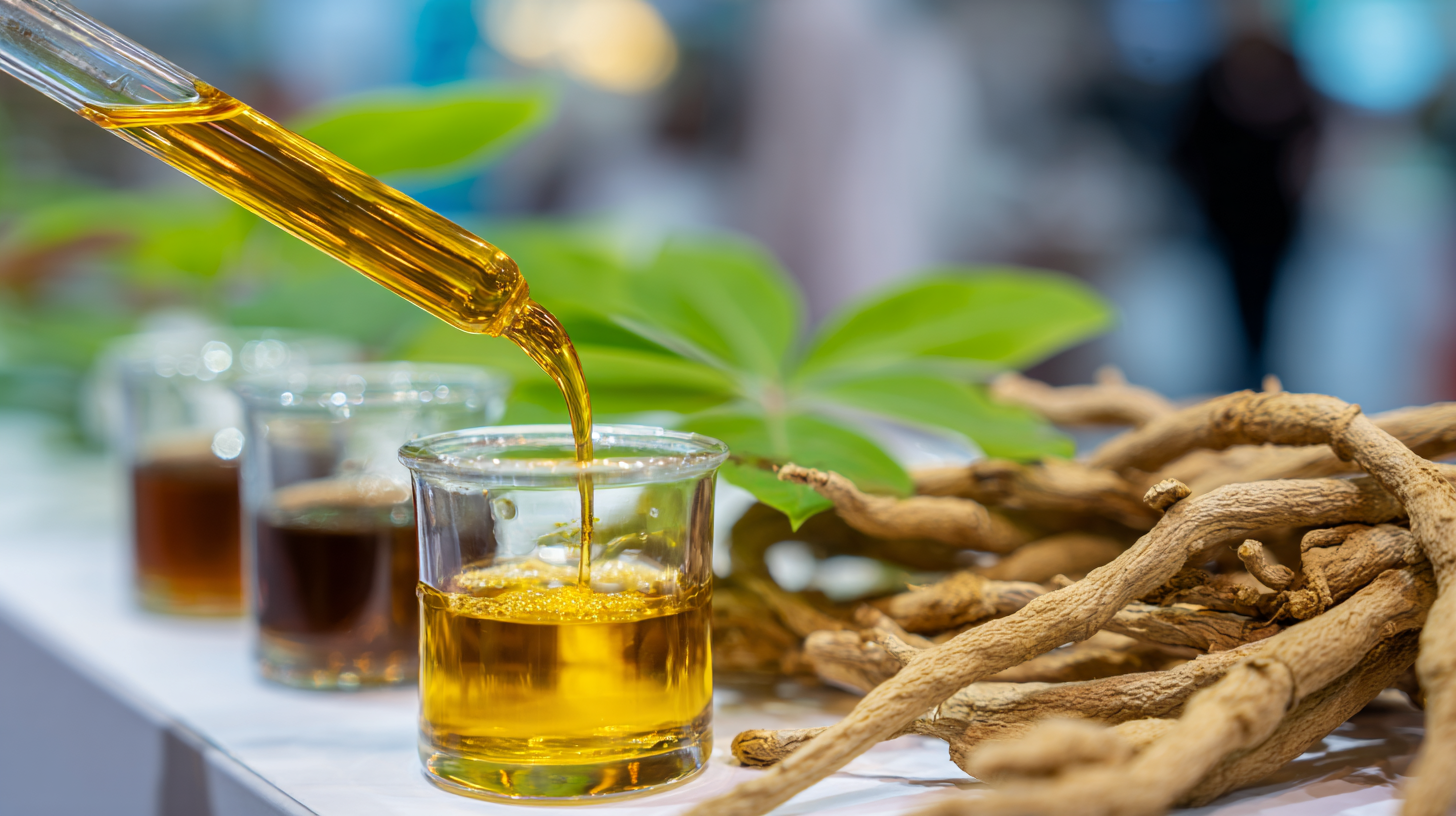
But it’s not just the giants making moves. New startups are also shaking things up with fresh, innovative extraction techniques that boost how much of those active compounds your body can actually use. Companies like Green Extract Co. and Nature’s Essence are catching everyone's attention because they’re all about organic, non-GMO options—exactly what health-conscious consumers are looking for these days. The upcoming 138th China Import and Export Fair will be a great chance for these companies to show off their latest advancements, meet potential partners, and really try to expand their reach internationally.
Opportunities and Challenges for Herbal Extract Exports in China
Lately, we've seen a pretty good uptick in the global trade of herbal extracts. This is largely because more and more people are craving natural health products—it's like a real wellness trend. According to the folks at the International Trade Center, the market for medicinal and aromatic plants (or MAP, for short) has grown quite a bit from 2010 all the way to 2023. It’s clear that there's a big interest in herbal extracts, whether for traditional uses or modern health aims. That said, it’s not all smooth sailing—regulatory rules across different countries can be a real headache, making it tricky for businesses to get products registered and exported. The good news? More and more, it’s obvious that having harmonized rules could really help everyone play by the same set of guidelines and cut through some of these barriers.
China, in particular, is a major player when it comes to herbal extracts. They've got lots of opportunities, but also some hurdles to jump over. The health supplement market there is booming, and people are definitely leaning more towards herbal stuff. That means producers have a real chance to break into international markets. But, on the flip side, they’ve gotta meet the tough standards set by importing countries, which can be a challenge. Interestingly, places like Macau are starting to act as kind of stepping stones for Chinese proprietary medicines—making it easier to register products for markets in ASEAN countries. This could be a good example of how to tackle regulation hurdles in the herbal extract business in general.
Sustainability Practices in Herbal Extract Production and Trade
So, if you’ve heard about the upcoming 138th China Import and Export Fair in 2025, you’ll notice that everyone’s talking about sustainability in herbal extract production. It’s becoming more and more clear that people around the world want products that are ethically sourced. For businesses in the herbal extract space, that means jumping on the sustainability bandwagon if they want to stay competitive. Industry reports are pointing to a booming market — like, experts are saying it could hit around $38 billion by 2027 — thanks to the rising craze for natural remedies and organic options. Honestly, this kind of trend just emphasizes how important it is for companies to adopt eco-friendly methods that don’t harm the environment.
Here at Xi'an Kintai Biotech Inc., we’re all in on this. We’ve put in place a solid quality control system that covers everything from farming to production. Our strict inspection standards make sure our raw materials are top-notch for safety and quality — which is super important for sustainable extraction. A recent study by Research and Markets found that companies that really focus on sustainability can see about a 20% boost in customer loyalty. So, by prioritizing quality and safety, we’re not just meeting customer expectations — we’re also helping protect biodiversity and ensuring we’re using natural resources responsibly. In the end, it’s a win-win for everyone, and we’re proud to be making a positive impact in the herbal extract world.
Herbal Extract Sustainability Practices
Future Innovations in Herbal Extracts: Trends to Watch at the Fair
So, at the 138th China Import and Export Fair in 2025, you can expect to see a pretty strong focus on new innovations in herbal extracts. It’s all about industry trends that really emphasize sustainability and health, which is pretty exciting. Lately, reports from natural product expos have been pointing to a big shift towards plant-based ingredients—things like natural sweeteners and plant-derived products are really gaining ground in the market. The global herbal extract market's expected to hit around USD 10.62 billion by 2025, mainly because more people are becoming health-conscious and looking for natural options.
Plus, the upcoming China West Plant Extracts & West Health Products And Biotechnology Expo is set to showcase some seriously cool, cutting-edge innovations in herbal extracts. There’s a growing interest in dietary supplements and pharmaceutical ingredients, making herbal extracts more important than ever for health and wellness products. And companies like Kintai, with their strict quality control from the farming stage all the way to finished products, are ready to roll with these trends. They’re providing top-notch herbal extracts that meet safety and efficacy standards, which is a big deal for health-conscious folks craving reliable natural solutions. All in all, this mix of innovation and consumer demand paints a pretty promising future for the herbal extract industry overall.
Exploring the Benefits and Uses of High Quality Pueraria Lobata Extract: A Deep Dive into Kudzu Root Extract Powder
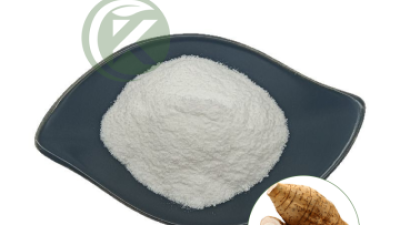
Exploring the benefits of high-quality Pueraria Lobata extract reveals its multifaceted uses that span across healthcare, cosmetics, and pharmaceuticals. Derived from the kudzu root, Pueraria powder is known for its impressive concentration ranging from 15% to 98%, making it a versatile ingredient in various formulations. The extract appears as an off-white or brown powder and is extensively tested using HPLC to ensure purity and quality. With a shelf life of two years and a production capacity of 2000 kg per month, this extract is readily available for bulk orders, satisfying the demands of both small and large businesses.
The applications of Pueraria powder are vast, including its use in health supplements and cosmetic formulations. Its natural, non-additive, and non-GMO properties make it a preferred choice among manufacturers aiming for clean and ethical products. Additionally, the extraction process is treated exclusively by heat, ensuring that the active components remain intact and effective. Certifications such as GMP, ISO9001, and HACCP highlight the product's quality and safety, reinforcing consumer trust. With a focus on delivering high-grade ingredients, Pueraria extract is an invaluable addition to any product line in healthcare and beauty sectors.
FAQS
: The growth of the herbal extracts market is driven by an increasing consumer preference for natural ingredients over synthetic alternatives, alongside greater awareness of wellness and preventive health.
The antioxidant products market is expected to rise from $4.34 billion in 2025 to $6.9 billion by 2032, with a compound annual growth rate of 6.86%.
The brain health supplements market is set to flourish, with estimates indicating an increase from $6.74 billion in 2025 to approximately $11.55 billion by 2032, at an annual growth rate of around 8%.
Key players are investing in research and development to improve the quality and efficacy of herbal extracts, focusing on sustainable sourcing and innovative extraction methods to meet consumer demand.
Startups like Green Extract Co. and Nature's Essence are introducing organic and non-GMO products and innovative extraction techniques, catering to the health-conscious consumer base.
Sustainability practices, such as ethical sourcing and eco-friendly production methods, are essential for companies to remain competitive and meet the rising consumer demand for organic products.
The global herbal extract market is expected to reach approximately $38 billion by 2027, driven by the popularity of natural remedies and organic products.
Companies that prioritize sustainability in their supply chain can achieve a 20% increase in customer loyalty, enhancing their market position and appealing to environmentally conscious consumers.
Xi'an Kintai Biotech Inc. emphasizes a robust quality control system and strict quality inspection standards to ensure the highest safety and quality of raw materials for sustainable herbal extraction.
The fair provides networking opportunities for companies to showcase advancements, form strategic partnerships, and expand their international reach in the growing herbal extract market.
Conclusion
So, I came across this article called "Exploring Herbal Extract Opportunities at the 138th China Import and Export Fair in 2025," and honestly, it’s pretty interesting. It dives into how herbal extracts are gaining more attention worldwide, mainly because folks are really into natural products these days. The piece points out that there's a lot of competition among the big players in the herbal extract world, which keeps things lively. It also talks about the chances—and the hurdles—faced by China when it comes to exporting these herbal goodies, stressing how important sustainability practices are in both growing and trading these plants. Oh, and they’re also looking ahead to what innovations might shake up the market down the line—pretty exciting stuff, right?
Now, Xi'an Kintai Biotech Inc. is mentioned as a company already on top of things, thanks to their strict quality control. They’re serious about making sure their herbal products are safe and top-notch right from the start of production. Their goal? To make a real splash in this fast-growing market and prove just how vital quality standards are to meet what global consumers are really after.